
The Redeemer Shall Come to Zion
Isaiah 58–66 · October 12–18, 2026
Isaiah’s vision of worship that heals, a Savior who redeems, and a world made new.
Monday, October 12
The Fast That Opens a Door
Isaiah 58 begins with people who appear eager to know God. They seek Him daily, ask about justice, and practice fasting. Yet they are bewildered that their devotion seems to receive no answer. The Lord’s reply exposes a painful contradiction: they seek His attention while continuing to oppress other people. Their religious calendar has changed their meals without changing the way they exercise power.
The details matter. Verses 3–4 describe demanding labor, quarrelling, and striking others. Verse 5 pictures bowed heads, sackcloth, and ashes. Those outward signs may express genuine humility, but they cannot substitute for it. A person can look humbled before heaven while making life harder for someone nearby. Isaiah does not dismiss fasting. He restores its purpose by joining devotion to deliverance.
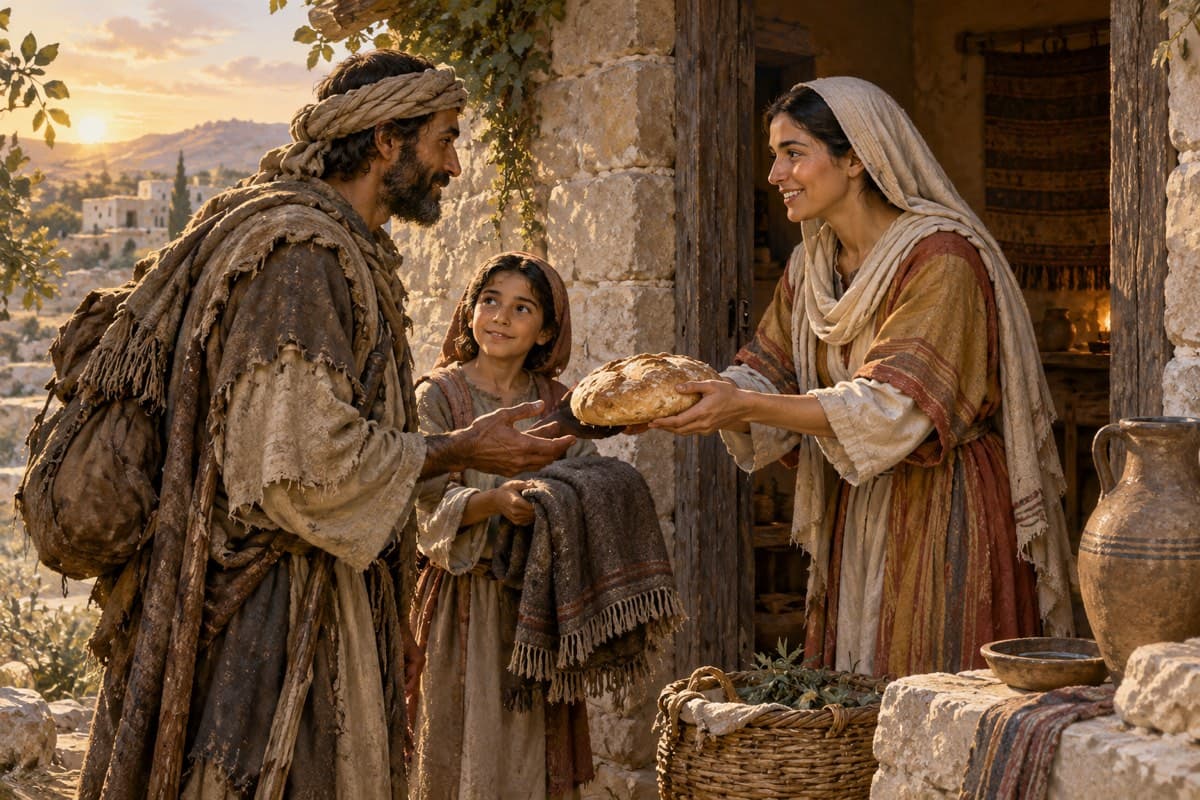
The fast God chooses loosens bonds, removes burdens, and breaks yokes. It also enters a kitchen and a home: bread reaches a hungry person, shelter reaches someone cast out, and clothing reaches someone exposed. The large language of freedom becomes small, practical acts of care. In verse 7, refusing to hide from one’s own flesh makes another person’s need a claim upon relationship rather than an inconvenience to evade.
Then the imagery changes. Morning breaks, a cry receives an answer, and a dry place becomes a watered garden. These promises reveal the kind of life God nurtures among His people. They are not a bargain in which a missed meal purchases a preferred outcome. The Lord is drawing worshippers into His own work of sustaining life.
For disciples of Jesus Christ, fasting can make room for that transformation. Prayer can name the person whose suffering has become easy to overlook; an offering can place real resources within reach of someone in need. Repentance may also require stopping a hurtful practice that generosity alone cannot excuse. The chapter’s welcome is demanding and hopeful: God receives our hunger as an invitation to teach us how to feed.
Questions to ponder and discuss
- What helps you treat people kindly when you’re hungry or frustrated?Isaiah 58:3-7
- What is one small thing you could do this week to help someone who needs food, clothing, or a place to stay?Isaiah 58:6-7
Tuesday, October 13
Learning to Delight in the Lord
The last two verses of Isaiah 58 turn from fasting to the Sabbath without leaving the subject of transformed worship. Earlier, the people’s chosen religious act coexisted with self-interest and quarrelling. Now the Lord asks them to honor a day as His. Both teachings challenge the assumption that devotion can remain a small decoration on a life whose priorities never change.
Verse 13 repeats the language of ownership: the Lord’s holy day is set against our own ways, pleasure, and words. This is not a command to despise happiness. The same sentence calls the Sabbath a delight, and verse 14 promises delight in the Lord Himself. Isaiah describes a change in the center of joy. We learn to receive time as a gift and to direct it toward the One who gives life meaning.
That change can be tender as well as disciplined. A Sabbath filled with anxiety about appearances can miss the delight named in the passage. So can a day treated as indistinguishable from every other day. Honoring the Lord asks for intentional choices, but the desired relationship is richer than constant self-surveillance. Worship, renewal, and attentive love can make sacred time recognizable.
The promise ends with the heritage of Jacob. The Sabbath belongs within a covenant story larger than one person’s weekly schedule. Israel’s God is still nourishing a people, and those who honor Him are invited to receive that inheritance. For Latter-day Saints, partaking of the sacrament centers the day on Jesus Christ and His redeeming love. The weekly return can teach us that belonging to Him is renewed through willing remembrance.
A difficult Sunday does not disprove Isaiah’s promise. A caregiver may still be exhausted, a child restless, or a lonely person painfully aware of an empty home. Delight can begin as something quieter than an easy mood: receiving grace, hearing a needed word, or finding that someone has made room for us. The Lord’s day invites us into His company, and learning to rejoice there can take time.
Questions to ponder and discuss
- When has a Sabbath felt like a gift to you?Isaiah 58:13-14
- What could make Sunday a little better for someone who has to work or care for others all day?Isaiah 58:13-14
- What is one thing you’d like to do this Sunday to feel closer to the Lord?Isaiah 58:13-14
Wednesday, October 14
When the Redeemer Comes
Isaiah 59 begins by rejecting a mistaken explanation for the people’s separation from God. His hand has not lost its reach, and His ear has not lost its hearing. The trouble lies in violence, dishonesty, and injustice. The chapter refuses to let religious people blame divine weakness for a world their own choices are helping to wound.
Its images make that wound visible. Hands carry blood, lips produce lies, feet hurry toward harm, and paths lead away from peace. Sin involves a whole way of living. Then the voice changes. In verse 9, accusation becomes confession: the speakers begin to say “us” and “we.” They stumble at noon as though it were night. Truth has fallen in the street, and even leaving evil can make a person a target. This is a community unable to repair itself through denial.
The decisive turn comes when the Lord sees. He sees the absence of justice and of anyone able to provide the needed intervention. His own arm brings salvation. The armor in verse 17 gives His intervention moral definition: righteousness protects His breast, salvation covers His head, and zeal clothes Him. God’s response is neither indifference nor helpless sympathy. He acts against what destroys His children.
The promise that the Redeemer will come to Zion gives the chapter its destination. Those who turn from transgression are not asked to create a savior out of their own resolve. They are invited to turn toward the One who comes. Repentance matters deeply, but it does not replace divine redemption. Jesus Christ supplies the saving power that confession alone cannot produce.
The final verse looks beyond the crisis to God’s Spirit and words continuing through generations. Salvation is more than escaping a moment of danger; it establishes a covenant future. A person who has contributed to harm can begin with honest acknowledgment and restitution where possible. A person harmed by others can know that injustice displeases the Lord. Both need the Redeemer, whose coming makes truthfulness bearable and hope more substantial than self-reassurance.
Questions to ponder and discuss
- In what everyday situations can it be hard to tell the truth?Isaiah 59:12-15
- What would you want someone to know about Jesus Christ if they felt their mistakes were too big to be forgiven?Isaiah 59:16-21
Thursday, October 15
A City No Longer Forsaken
Isaiah 60 opens with an imperative made possible by a gift: Zion is to arise and shine because her light has come. The glory belongs to the Lord before it is visible upon His people. This order matters. The city does not illuminate the world by congratulating itself on its own brightness. It receives and reflects divine light.
The chapter imagines gathering through roads, ships, animals, families, and open gates. Sons and daughters return from afar. Nations bring their resources. Strangers help build the walls. What had seemed forsaken becomes a place of recognition and belonging. The imagery is rooted in a city’s life, where security, worship, livelihood, and kinship meet. Its hope cannot be reduced to an inward feeling disconnected from neighbors.
Yet Isaiah’s vision is more searching than prosperity alone. Verse 17 names peace and righteousness as the city’s officers and exactors. Verse 18 announces an end to violence and destruction. Beautiful buildings would not fulfill the promise if their inhabitants remained unsafe. Zion’s glory includes the moral character of life within her walls.
Isaiah 62 develops the same restoration through names. Forsaken and Desolate give way to language of divine delight and covenant belonging. The city is compared to a crown in God’s hand and to a bride over whom He rejoices. These images do not erase the wounds of abandonment. They deny those wounds the authority to define the city forever.
For Latter-day Saints, these promises belong to the gathering of Israel and the Lord’s work of establishing Zion. They also teach the character of participation in that work. Gathering involves helping people find the Savior, making room for them, and removing obstacles that need not remain. The final assurance of Isaiah 60 preserves patience: the Lord will hasten His work in His time. We can act with devotion without pretending to control its timetable. The city’s lasting light is Him.
Questions to ponder and discuss
- Who has helped you understand Jesus Christ better by the way they treat people?Isaiah 60:1-3
- What has someone done at church that helped you feel welcome?Isaiah 60:4-5
- How could we help someone who is new to our group feel welcome?Isaiah 60:4-5
Friday, October 16
Beauty in the Place of Ashes
Isaiah 61 announces good news through an anointed messenger. The Spirit rests upon him, and his commission is directed toward people whose lives have been constrained or broken: the meek, the brokenhearted, captives, and mourners. The mission is defined by what he brings to them. He proclaims, binds up, frees, and comforts.
Luke 4 gives Christian readers a decisive way to hear these words. In Nazareth, Jesus reads Isaiah’s promise and declares its fulfillment in their hearing. The passage is not simply a moving description of what any kind person might do. It reveals the Savior’s identity and mission. His ministry makes the Father’s rescuing love present among people who need more than advice.
Isaiah’s paired images let us linger over the nature of that rescue. Ashes give way to beauty, mourning to the oil of joy, and heaviness to a garment of praise. The language recognizes sorrow before speaking of transformation. It does not ask mourners to pretend their losses are already pleasant. The gift comes to people who are actually grieving.
Then the imagery shifts from what they wear to how they grow. They become trees of righteousness, planted by the Lord. Roots, endurance, and fruitfulness replace the vulnerability of a life that has been scattered. In verse 4, those restored people rebuild ruined cities. Receiving comfort and contributing to restoration belong to one unfolding work, though the text does not demand that a wounded person become useful before receiving care.
The chapter closes with clothing and a garden again. Salvation is given like a robe, and righteousness grows because God causes it to spring forth. Jesus Christ’s grace supplies both acceptance and the power of renewal. For someone carrying grief, that can mean being held through a season that remains painful. For someone learning repentance, it can mean discovering that shame need not be a permanent name. The Savior’s mission is large enough to address sin, sorrow, bondage, and the long work of becoming whole.
Questions to ponder and discuss
- Isaiah says Jesus came to heal broken hearts, bring freedom, and comfort those who mourn. Which promise gives you the most hope today?Isaiah 61:1-3
- What is a caring way to respond when someone is grieving and you don’t know what to say?Isaiah 61:3
Saturday, October 17
Held in the Potter’s Hands
Isaiah 63 and 64 let praise and lament stand close together. The people remember the Lord’s lovingkindness, His redemption, and His care during the days of Moses. Yet they also speak from loss. Their sanctuary has been trampled, their cities lie desolate, and the place where their fathers praised God has burned. Memory does not make the present wound imaginary.
The prayer begins its turn toward hope by naming relationship. The Lord is their Father and Redeemer. Even if the ancestors who defined their history could not recognize them, they still appeal to Him. Their belonging is deeper than their ability to display an unbroken record of success.
Isaiah 64 opens with a longing for God to tear open the heavens and come down. The mountains, which seem permanent, would yield before His presence. The prayer reaches for divine intervention on a scale equal to the people’s need. Latter-day Saint scripture takes up this language in Doctrine and Covenants 133 as part of anticipation of the Lord’s return.
But the prayer also turns inward. The people confess sin and compare themselves to fading leaves carried by the wind. They do not claim that every problem came from innocent suffering. Their lament includes responsibility. Then, in verse 8, another image becomes possible: they are clay, and the Lord is their potter. The same people who feel scattered can still be held and formed.
This is a relationship of dependence without worthlessness. Clay has possibilities because it remains in the maker’s hands. Calling God Father before calling Him potter keeps the image personal. His work concerns children, not disposable material.
The chapter does not close with a narrated miracle. It leaves the prayer sounding into the unresolved situation. That is part of its gift. Faith can remember mercy, confess wrongdoing, ask urgently for help, and still wait. Jesus Christ is not honored only by polished testimonies after everything makes sense. He can receive the truthful prayer offered while the ruins are still visible.
Questions to ponder and discuss
- When has a small kindness reminded you that God cares about you?Isaiah 63:7-9
- How might knowing that Jesus understands your pain affect what you say to Him in prayer?Isaiah 63:9
- What helps you keep trying to change when progress feels slow?Isaiah 64:8-9
Sunday, October 18
A World Where Life Can Flourish
Isaiah’s closing vision gives hope a remarkably ordinary texture. In Isaiah 65, people build homes and live in them, plant vineyards and enjoy their fruit, and raise children without laboring only for trouble. The promised future concerns daily life made secure. Redemption reaches places where people sleep, work, grow food, and care for one another.
The Lord announces that He creates new heavens and a new earth. He also creates Jerusalem as a rejoicing and her people as a joy. God Himself rejoices in them. This is more than exhausted people finally managing to endure. It is the Creator taking delight in a restored world.
The wolf and lamb feeding together extend that peace beyond human arrangements. The holy mountain becomes a place where creatures do not hurt or destroy. The image asks readers to imagine safety where they would ordinarily expect danger. It belongs with the chapter’s promises that labor will not be stolen and life will not be cut short by familiar patterns of suffering.
Isaiah 66 adds another dimension: the God whose throne is heaven attends to a poor and contrite spirit. Greatness and tenderness meet. The Lord comforts His people with the intimacy of a mother comforting a child, and He gathers nations and languages to see His glory. The vision is both vast and personal.
Latter-day Saints look toward Jesus Christ’s personal reign upon the earth and the earth’s renewal, as expressed in the tenth article of faith. Isaiah’s images nourish that expectation without supplying a complete timetable or resolving every detail of the coming age. The chapters also retain serious warnings about evil and rejected invitations. Their joy is not indifference to righteousness.
Waiting for this future can shape present discipleship. A disciple who trusts the Prince of Peace has reason to protect life, deal honestly, welcome the overlooked, and repent. These acts do not bring the Millennium by human effort alone. They express allegiance to the King whose promised world makes them fitting. The future belongs to Christ, and His people can begin learning its peace now.
Questions to ponder and discuss
- Isaiah describes a future with safe homes, meaningful work, and peace between animals. Which part are you most looking forward to?Isaiah 65:17-25
- What is one simple way you could comfort someone this week?Isaiah 66:12-13
These are supplemental study notes written by Rooted, an independent app not affiliated with The Church of Jesus Christ of Latter-day Saints. For the official lesson, see Come, Follow Me on churchofjesuschrist.org.