
The Lord Looketh on the Heart
1 Samuel 8-10; 13; 15-16 · June 8–14, 2026
Samuel, Saul, and David show the difference between outward appearance and covenant trust in the Lord.
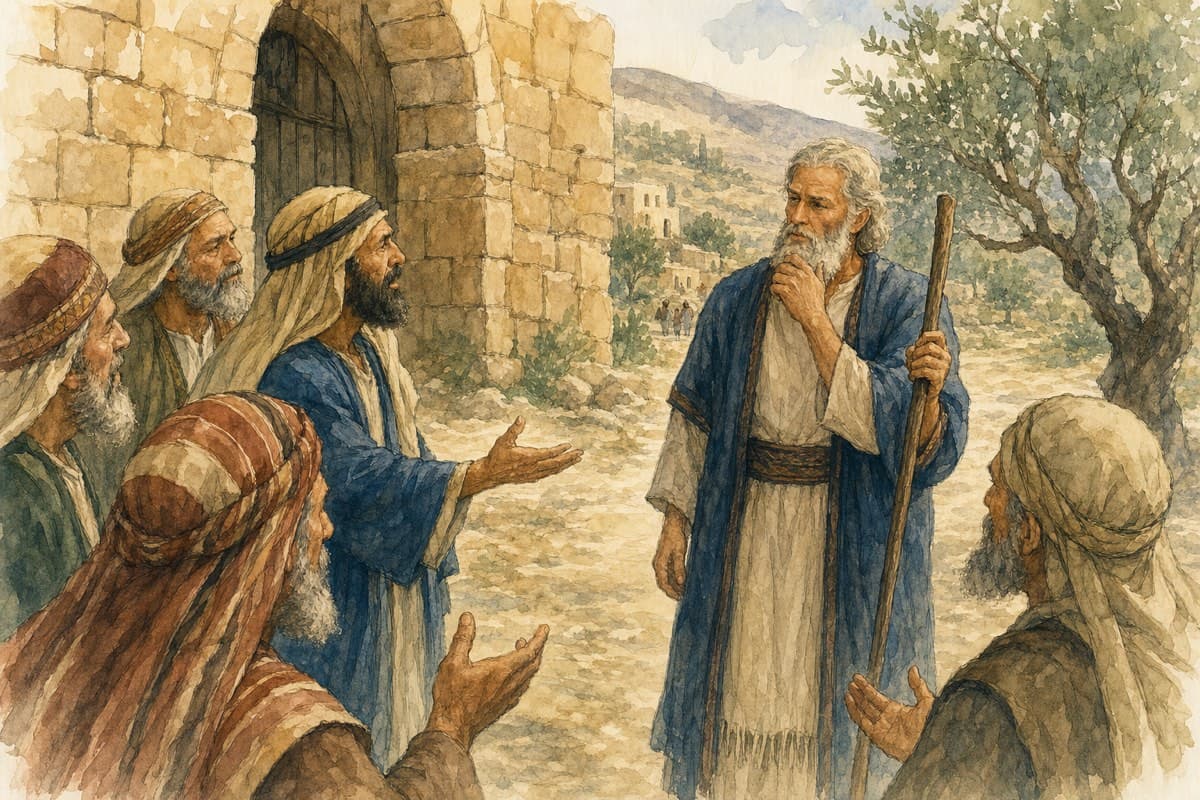
Monday, June 8
Jesus Christ Is My King
First Samuel 8 marks a turning point in Israel's covenant life. The people asked Samuel to appoint a king so they could be like the nations around them. Their request came after real concerns: Samuel was old, his sons did not walk in his ways, and surrounding enemies were a continuing threat. Yet the Lord revealed that the deeper issue was not only political organization. Israel was rejecting the Lord from reigning over them.
The chapter exposes a temptation that is still familiar. Human hearts often reach for visible power, social approval, and systems that feel more predictable than faith. The Lord did not pretend earthly kingship would be harmless. Through Samuel He warned that a king would take sons, daughters, fields, servants, flocks, and freedom. Israel wanted security, but the warning showed that misplaced trust could become bondage.
Jesus Christ is different from every earthly king. He does not take in order to magnify Himself; He gives Himself to redeem His people. He rules by righteousness, mercy, covenant, and perfect knowledge of the heart. To let Christ reign is to let His word become more authoritative than fear, popularity, political strength, family pressure, or the patterns of surrounding cultures. Israel's request invites disciples to examine not merely who has authority over them, but where they look first for safety, belonging, and direction.
The issue is therefore devotional before it is institutional. A disciple can sustain earthly order while still reserving ultimate trust for Christ. The heart must learn to distinguish useful human structures from the saving reign of the Lord.
Tuesday, June 9
Another Heart
Saul first enters the story looking for lost donkeys, not a throne. He was tall and impressive in appearance, yet his own words reveal insecurity. He described himself as a Benjamite from the smallest tribe and from a family he considered least among that tribe. The Lord saw more than Saul's uncertainty. Before Saul knew what was happening, the Lord had revealed him to Samuel and prepared an anointing.
Samuel's private anointing of Saul shows that callings begin with God, not with public applause. Saul received signs, guidance, and the promise that the Spirit of the Lord would come upon him. The scripture says that God gave him another heart. This phrase matters because the Lord's call was not merely an assignment; it was an invitation to inward transformation. Saul needed more than height, courage, or political legitimacy. He needed a heart responsive to God.
The tragedy of Saul's later life makes this beginning tender. The Lord truly gave Saul power and opportunity. Saul's story is not about a man doomed by his weaknesses, but about a man blessed with a new heart who later failed to keep that heart soft before the Lord. Disciples can receive callings, spiritual gifts, and strengthening grace, but they must continue choosing humility after the first rush of sacred help.
A changed heart is not a decorative spiritual experience. It is the beginning of a covenant pattern in which the servant keeps returning to God for direction, correction, and courage. Saul's beginning dignifies weakness while warning against neglecting grace.
Wednesday, June 10
Hidden Among the Stuff
When Saul was publicly presented as king, he was nowhere to be seen. The Lord revealed that he had hidden himself among the stuff. The scene is almost painfully human. Saul had already been anointed, given signs, and touched by the Spirit, yet the public weight of kingship frightened him. The tallest man in Israel hid among baggage.
This moment teaches that outward appearance can conceal inward fear. Israel wanted a visible king who looked strong, and Saul did look the part. But his heart still needed courage, steadiness, and continued trust in the Lord. The people shouted, "God save the king," while Saul's own soul was still learning how to stand in a calling that exceeded his confidence.
The Lord did not abandon Saul for being afraid. The people found him, Samuel explained the manner of the kingdom, and a band of men whose hearts God had touched went with Saul. That detail is merciful. God did not only touch Saul's heart; He touched the hearts of people who could support him. Service in the Lord's work is rarely carried by one person alone. The account honors the reality of trembling beginnings while warning that hidden fear must eventually become open trust and obedience.
The scene also warns against judging fear too quickly. A hesitant beginning can still become faithful service when the heart keeps receiving help from God and from covenant companions. The question is whether fear remains a hiding place or becomes a reason to rely more fully on the Lord.
Thursday, June 11
Waiting at Gilgal
First Samuel 13 shows Saul under pressure. The Philistines gathered with overwhelming force, Israel's soldiers hid in caves and thickets, and the people following Saul began to scatter. Samuel had instructed Saul to wait, but the waiting became unbearable. Saul offered the burnt offering himself, and Samuel arrived as soon as he had finished.
Saul's explanation sounded practical. The people were scattering, Samuel had not arrived when expected, and Saul felt he had not made supplication to the Lord. Yet Samuel called the act foolish because Saul had not kept the commandment of the Lord. The issue was not whether worship mattered. The issue was whether Saul would obey the Lord's order when fear made disobedience seem necessary.
This chapter reveals how spiritual failure can wear religious clothing. Saul did not say he had abandoned God; he said he forced himself to offer sacrifice. But forced worship that ignores God's command is not covenant faithfulness. The Lord asks disciples to trust Him not only when obedience feels efficient, but when obedience feels costly, delayed, or exposed. Waiting at Gilgal became a test of whether Saul would let the Lord govern the crisis or whether fear of losing control would govern Saul.
The Lord's timing can feel especially hard when other people are watching and the situation appears to be deteriorating. Saul's failure shows that panic can make a person treat impatience as wisdom. Faith waits differently because it trusts that the Lord's commandment is still safer than a hurried substitute.
Friday, June 12
Better Than Sacrifice
First Samuel 15 is one of scripture's clearest warnings against partial obedience. Saul received a command concerning Amalek and then preserved what the Lord had commanded him to destroy. When Samuel arrived, Saul greeted him with the claim that he had performed the commandment of the Lord. The sound of sheep and oxen contradicted him.
Saul's failure deepened as he explained it. He shifted blame to the people, insisted the best animals had been spared for sacrifice, and continued to speak as though religious intention could excuse disobedience. Samuel answered with the memorable doctrine: to obey is better than sacrifice, and to hearken than the fat of rams. The Lord did not need animals taken in violation of His own command. He required a king who would listen.
This chapter reveals how pride can grow from timid beginnings. Saul had once been little in his own sight, but Samuel reminded him that the Lord had made him head of the tribes of Israel. The problem was not that Saul had become confident; righteous confidence can be holy. The problem was that Saul's confidence separated from humble obedience. The heart that receives a calling must keep hearing the Lord after authority, success, and public image arrive.
The chapter also exposes the danger of preserving what God has asked a disciple to surrender. Disobedience often survives by renaming itself prudence, generosity, or religious usefulness. Samuel's words cut through every renamed excuse and leave the disciple with the plain question of whether the Lord's voice is first.
Saturday, June 13
The Lord Looketh on the Heart
After Saul's rejection, Samuel was sent to Bethlehem to anoint one of Jesse's sons. Samuel saw Eliab and thought surely the Lord's anointed stood before him. Eliab's appearance impressed the prophet, but the Lord corrected Samuel's first impression. The Lord does not see as man sees. Man looks on the outward appearance, but the Lord looks on the heart.
This revelation did not humiliate Samuel; it taught him to see more faithfully. One son after another passed before him, and none was chosen. The missing son was David, the youngest, who had been left with the sheep. The family scene shows how easily people can overlook those who do not appear central. David was not even in the room when the selection began, but he was not absent from the Lord's sight.
The doctrine of 1 Samuel 16:7 is both comforting and searching. It comforts those who feel unseen, mislabeled, or dismissed by outward measures. It also searches those who judge quickly by attractiveness, age, confidence, resume, social ease, wealth, weakness, or visible religious polish. The Savior's disciples are called to let His way of seeing reshape how they view themselves and others. The Lord's gaze is not shallow, and His choices are not trapped by human rankings.
This doctrine also makes repentance possible. Because the Lord sees the heart, He can heal what is hidden, strengthen what is weak, and call forth faith that others have not yet recognized.
Sunday, June 14
The Shepherd Chosen
David's anointing did not immediately place him on a throne. After Samuel anointed him, the Spirit of the Lord came upon David, but much of his life still lay ahead: service, danger, waiting, conflict, repentance, worship, and kingship. The shepherd chosen in Bethlehem would need the Lord's Spirit long before he wore a crown.
This ending to the week's reading holds together promise and process. David was chosen, but being chosen did not mean being finished. Saul had also been chosen and given another heart, yet he later hardened himself against the Lord's word. David would also make grievous mistakes later in life. The difference between outward appearance and the heart is not a license to romanticize any mortal leader. It is a call to keep the heart turned toward the Lord through every stage of service.
The shepherd image is especially fitting because Jesus Christ is the true King and the Good Shepherd. David's early life points toward ideals of care, courage, music, and trust, but Christ fulfills kingship and shepherding perfectly. He knows His sheep, sees their hearts, and calls them by a voice deeper than outward measures. To be seen by Him is not merely to be noticed. It is to be invited into covenant transformation.
The week ends with hope because the Lord's sight is creative. He does not only identify what is already obvious. He calls, prepares, corrects, and sanctifies people for futures they cannot yet see.
These are supplemental study notes written by Rooted, an independent app not affiliated with The Church of Jesus Christ of Latter-day Saints. For the official lesson, see Come, Follow Me on churchofjesuschrist.org.